
Posted by admin on 2025-08-06 14:32:11 |
Share: Facebook | Twitter | Whatsapp | Linkedin Visits: 103
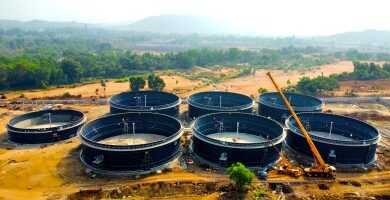
As the world searches for cleaner, more sustainable energy sources, Compressed Bio-Gas (CBG) and Bio-CNG (Compressed Natural Gas from biomass) have emerged as strong contenders. Both are renewable, eco-friendly alternatives to fossil fuels, and offer the potential to reduce greenhouse gas emissions, manage organic waste, and create circular economies.
But while the promise is big, there’s a growing conversation around the inefficiencies and waste of energy in their production and deployment. So, let’s explore what CBG and Bio-CNG are, how they work, their benefits, and where the energy is potentially being wasted.
Compressed Bio-Gas (CBG) is a purified and compressed form of biogas that is produced through anaerobic digestion of organic waste like agricultural residue, animal manure, food waste, and municipal solid waste. The raw biogas contains 55–65% methane, 35–44% carbon dioxide, and traces of hydrogen sulfide and water vapor. To make it suitable as a vehicle fuel, it is purified and compressed to match the properties of CNG.
Bio-CNG is essentially the same as CBG – the terms are often used interchangeably. However, some define Bio-CNG as a refined, high-quality version of biogas suitable for use in internal combustion engines, piped gas networks, or industrial use, with methane content as high as 95%.
Waste Management: Utilizes organic waste that would otherwise rot and emit methane directly into the atmosphere.
Renewable Energy: Replaces fossil-based fuels with renewable gas.
Carbon-Neutral: Emissions from combustion are offset by the carbon absorbed by the organic matter during its growth.
Rural Economy Boost: Generates income and employment in rural areas by using local biomass.
While CBG and Bio-CNG have clear benefits, several energy experts argue that their production and distribution involve significant energy losses, which could make the process inefficient or unsustainable at scale. Here’s how:
Purifying raw biogas into usable CBG/Bio-CNG involves removing CO₂, hydrogen sulfide, and moisture. This process often requires electricity, water, and specialized chemicals or membranes, adding a large energy overhead to the operation.
Compressing the gas to 200–250 bar for vehicle fuel requires considerable energy. That energy often comes from fossil fuel sources, reducing the net environmental benefit.
Transporting biomass to biogas plants and then distributing CBG to stations can be fuel-intensive. Unlike pipelines for natural gas, CBG distribution relies heavily on trucks, which might be running on diesel – causing carbon leakage in the supply chain.
Not all biomass is “waste.” In many cases, valuable agricultural residues are diverted from their traditional uses (like animal feed or organic fertilizer), creating resource competition and possible economic inefficiencies.
The Energy Return on Investment – how much usable energy is gained compared to how much is used to produce it – is often lower for CBG/Bio-CNG compared to solar, wind, or even fossil fuels.
CBG and Bio-CNG shouldn't be dismissed. They are critical tools in managing waste and decentralizing energy systems. However, we need to address their systemic inefficiencies:
Use local feedstock to reduce transport emissions.
Power purification plants with renewable energy.
Integrate biogas with organic farming to return digestate as bio-fertilizer.
Encourage micro and community-level plants rather than large centralized units.
CBG and Bio-CNG are not silver bullets. They are part of a broader energy solution that must be handled carefully. While they help reduce organic waste and create green jobs, we need to be cautious about the hidden energy costs and strive to optimize every stage of the process.
In the end, the question isn't whether CBG or Bio-CNG is good or bad. The question is: Are we using them wisely enough to make them truly sustainable?